Wednesday, March 14, 2012

Remarkable March Warmth in Vermont; Winter Arrives Late in California

Vermont has been experiencing a string of remarkably warm March days.  Here in Vermont it seems like Winter is gone and early Spring seems to have followed it - we often don't have temperatures consistently reaching near 70 like they did yesterday until May.  Yet, at the same time, California seems to be experiencing January two months late... a series of storms is currently beginning its onslaught into central and northern California, with all of the state forecast to pick up very well-needed rain and low-elevation mountain snow.

IMG_5871.JPG
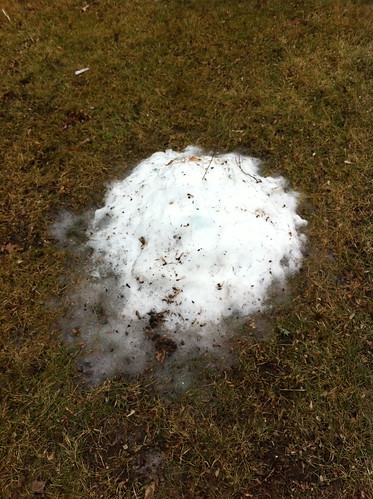
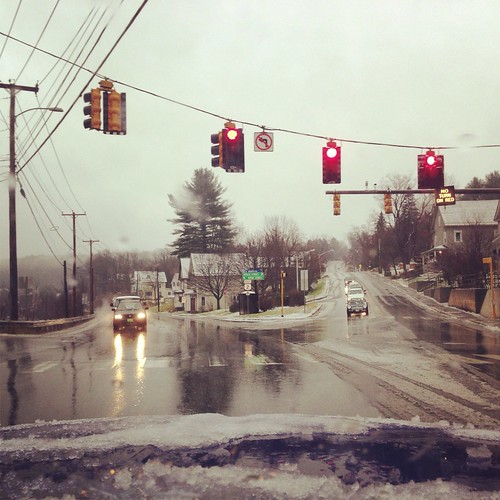
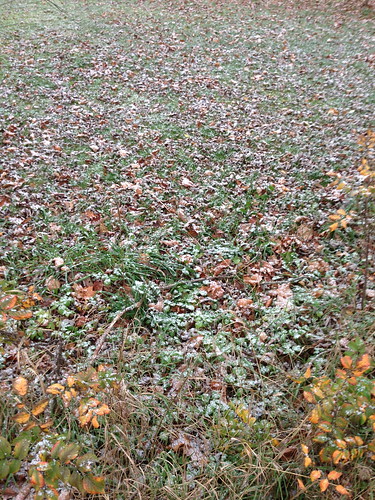
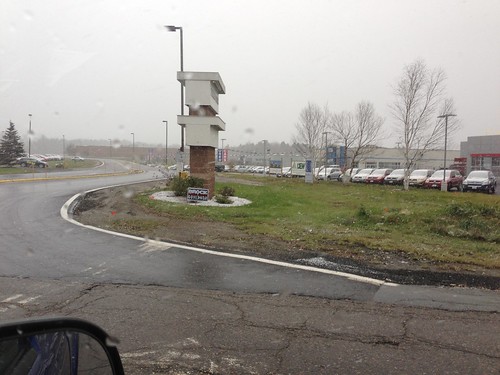
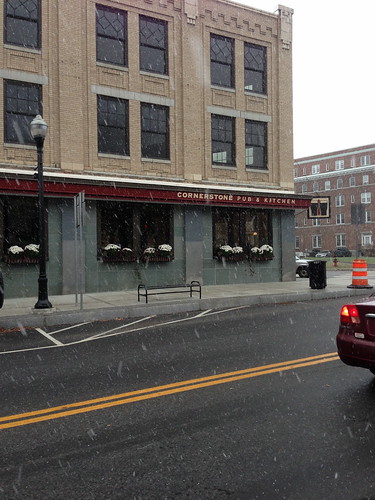
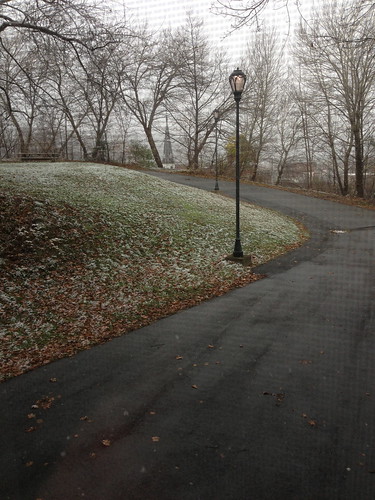
Above: After a surprise Saturday snowstorm, the last bits of soggy snow in East Middlebury met their demise early this week.  The mountains of California, on the other hand, could pick up a foot or two of new snow this week... if not more.

So why do Vermont and California appear to have traded weather?  The proximal cause, at least, is yet more unusual antics by the jet stream, which controls the track of storms and the movements of warm and cold air masses.


Monday, March 12, 2012

Will the Next Nocturnal Rain Awaken Vermont's Amphibians?

The cold nighttime spring rains of late March and early April do more than dissolve the last remnants of snow hanging in the shadows in the Champlain Valley.  As the water trickles into the thawing soil, it also awakens the many amphibians that had burrowed into the dirt and leaf litter the preceding Fall.  Almost all of Vermont's amphibian species take part in this early spring migration - including spring peepers, wood frogs, spotted salamanders, and blue-spotted salamanders.

IMG_1913.JPG

Above: a spotted salamander, found during last year's migration.


Thursday, March 8, 2012

Williams Woods: A Forest Sculpted by Water and Wind

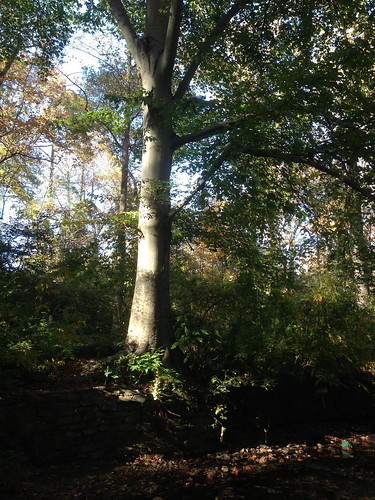
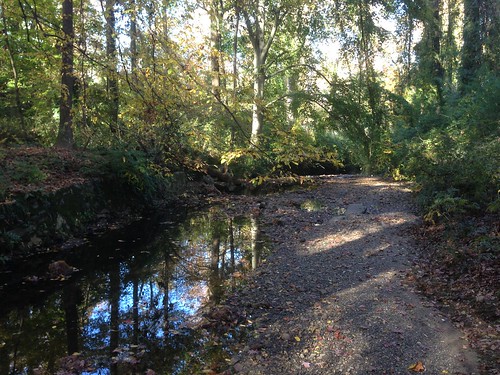
Yesterday was a beautiful, unusually warm early March day, and I happened to be traveling through Charlotte, Vermont so I took some time exploring Williams Woods, a unique forest remnant that represents a mostly-lost habitat type, and one that has been closely sculpted by the actions of water and wind.

IMG_5859.JPG


Tuesday, March 6, 2012

Small Streams Frozen Solid?

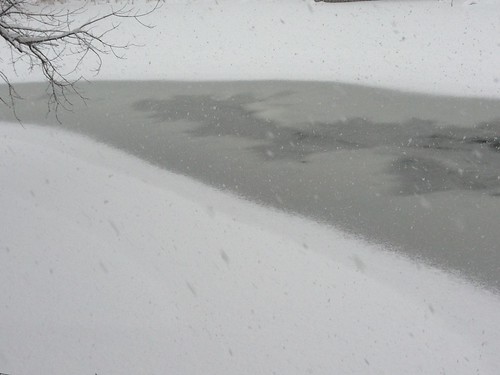
No matter how cold it gets, streams and rivers won't freeze solid.  There's always water moving under, and sometimes over, the ice.  Sometimes, however, smaller springs and seeps in cold areas like Vermont appear to be frozen in time, unmoving, almost as if someone dumped hot wax on the landscape.  Do these streams really freeze solid?

IMG_5122.JPG


Thursday, March 1, 2012

Madrona Marsh: a Postage Stamp of Nature in Torrance


I've been posting a series of blog posts about Torrance, California, the city where I grew up.  Most of them revolve around trying to find nature, wildness, and forgotten, unmanicured spaces in this a of suburban sprawl.  Yet, I'd be remiss not to dedicate a post to Madrona Marsh, a small patch of nature right in the center of Torrance that was spared from development, and became a refuge for me as I was attending high school in the 1990s.


View Larger Map


Monday, February 27, 2012

Glimpses of Cold and Ice in a Warm Dry Winter

Vermont has continued to see warm, dry conditions this winter, but over the last few weeks, we've had moments of cold and ice.  The stark beauty of winter has not buried Vermont the way it did last year, but you wouldn't have known it if you were in the Green Mountains last Saturday in a blinding blizzard.  In the lowlands, things haven't been as snowy, but winter is still not hard to find.

IMG_5654.JPG

On an explore in Pittsford, we found imprints of leaves where they melted into ice.  A bit of dye revealed the near-perfect leaf impressions on the surface.


Monday, February 20, 2012

Are Big Dams a Good Idea?

This blog is all about slowing down water so it can soak in, be used, saved, and enjoyed.  Rain gardens, rainwater cisterns, natural and created wetlands, and healthy riparian forests all help us attain this task.  But what about huge dams and the reservoirs behind them.  They also slow down water... do they help us conserve water and act as responsible land stewards?


View Larger Map


Wednesday, February 15, 2012

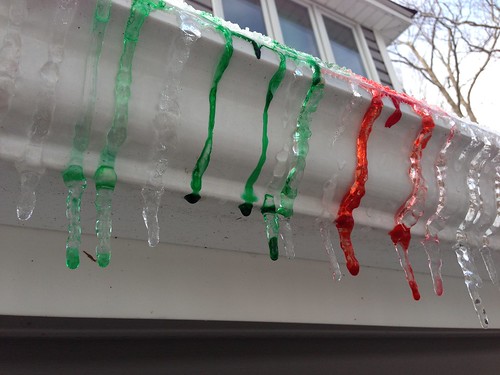
Coloring Icicles in a (Near) Snowless Winter

Winter has passed it's halfway point and there is no snow on the ground in the Champlain Valley of Vermont.  Most of the winter has been snow-free, or at best we've had 1 to 2 inches of icy slop on the ground.  Some are calling for a snowy end to the cold season, and one computer model even forecasts a nor'easter in the future, but so far the snow remains elusive.

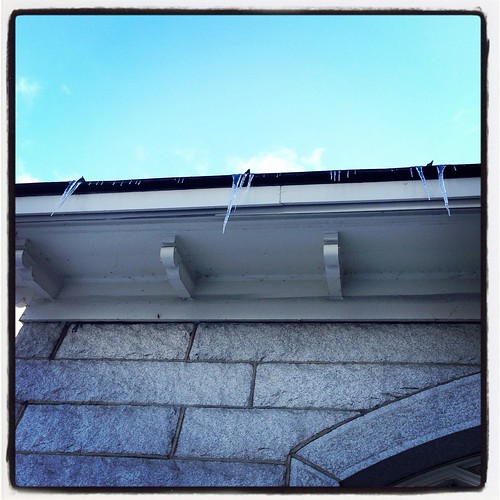
Icicles on buildings form when snow on roofs melts during below-freezing conditions, due to direct sunlight or more often through heat 'leaking' from inside the house.  This year, there has been essentially no snow accumulation, so icicles have only formed after our light snowfalls, and haven't grown very large.

Still, I've found enough icicles to be able to continue my icicle coloring project, albeit on a smaller scale than I hoped for.


Monday, February 13, 2012

In The Darkest Places: an Ecosystem in an Abandoned Industrial Lot in Torrance

This post is part of a series of posts I am creating about finding nature and beauty in the town where I grew up.  For more background info, see the first post in the series.  


The ability of life to survive and thrive in harsh environments is stunning and incredible.  Many offer examples of 'extreme' environments that teem with life, such as deserts and the Arctic.  Instead, I offer a place that is in many ways even harsher - and that has given life much less time to adapt to it - and still supports an ecosystem struggling to survive.


View Larger Map

The map above could be a scene from many places in coastal California.  The white shrub is almost certainly a flowering coyote brush plant.  Around it is a disturbed landscape, but certainly not a heavily-manicured suburban expanse.

Now, please begin zooming out using the map above.  As you do so, take note of natural features you see.


Wednesday, February 8, 2012

Tiny Examples of Water's Effects on the Landscape

With all the thaws we've been having this winter in Vermont, there's been a lot more water movement than we usually see in winter.  While I'd rather have snow to play in, I've found some very neat things happening along waterways as liquid water, ice, and air interact.  One of the neatest things about flowing water is that it works the same way on many scales - from that of a trickle through sand to that of the Earth's largest rivers.

While walking along the river during a thaw, I encountered a small trickle of water flowing into a hole in the ice.  I'd found a tiny moulin!  "Real" moulins form on glaciers, when melting water pooling on their surface plunges straight down into a hole, right to the bottom of the glacier.  Sometimes these plunge downward with such force they erode potholes in the ground underneath the glacier - a process that probably has influenced the terrain of Vermont as glaciers melted away during the end of the Ice Age(s).
IMG_5476.JPG

My moulin was not nearly as impressive, as seen above (i should have remembered my food coloring!).  In contrast, this photo below, from NASA, shows a picture of a moulin in Greenland as viewed from above.


Monday, February 6, 2012

On Minecraft Landscapes and the Crumbling Riverbank Outside

Ever since I started playing Minecraft, and experimenting with how water flows within the in-game landscape, I've wondered about the possibilities of using Minecraft as a tool to demonstrate features found in the natural world.  So, a while back I created a new world to test out some ideas, and turned on 'creative mode' (a cheat mode where it is possible to fly and create/destroy anything at whim).  I spent a while creating explosives, blowing huge holes in the procedurally generated landscape, and dropping zombies in lava, but when the novelty of doing so wore off, I set off to see if I could use the Minecraft world to create and model realistic-looking waterways and terrain.

2012-01-17_12.15.07


Wednesday, February 1, 2012

In The Darkest Places: Life in a Torrance Ditch

For most of the last week, I have been visiting family and friends in Torrance, a suburb of Los Angeles and the place I grew up.

I have a love-hate relationship with California, but my feelings about Torrance have always been more straightforward - there are some people there who are incredibly important to me, but Torrance itself I have always hated.

IMG_5287.JPG

There isn't much gained in hating a place though, especially one I will end up visiting again, so during this visit I decided to "get curious", as one person has advised me; to try to understand WHY Torrance is how it is, how its past influences it, what wild plants and free water are hiding in the cracks and forgotten places of the present, and what is possible in the future.  During my latest trip I found several interesting things, which I'll be writing about in a mini-series of blog posts called "In The Darkest Places"


Wednesday, January 25, 2012

"Snow Monster" Survival Update; Ice Rearranges River Flow

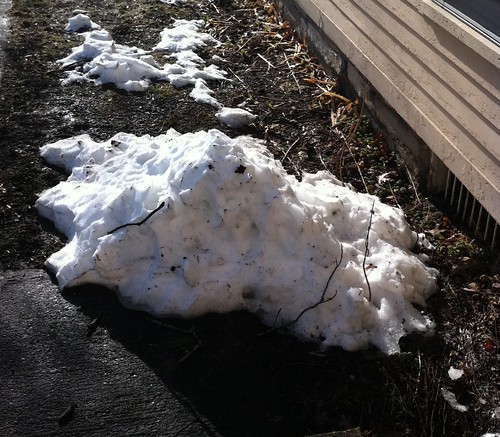
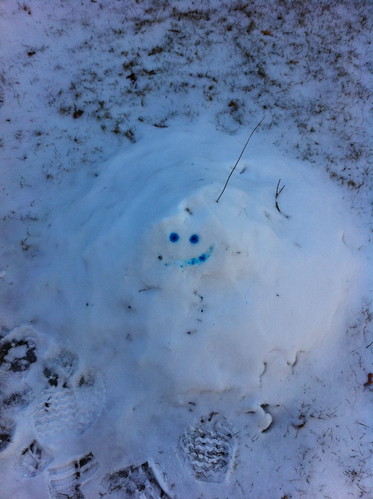
So earlier this week I had a post about the coming thaw and whether or not my 'snow monster would survive.  It was a long, drawn out thaw, and there isn't any snow to speak of in town anymore.  Still, the snow monster was able to pull through and now exists as a sorry pile of icy snow outside my back door.

IMG_5273.JPG

Temperatures are back around freezing, and some snow may occur tomorrow night, so the snow monster will be sticking around for now.

(more below)


Monday, January 23, 2012

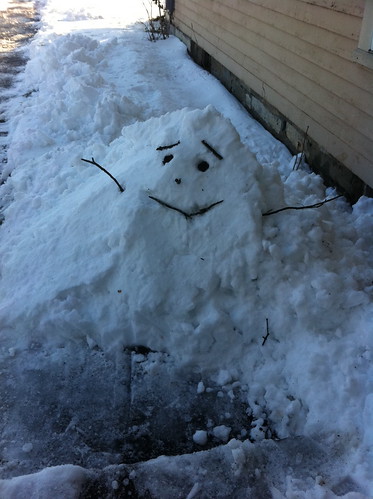
Thaws and Tribulations of the Snow Monster (January Thaw)

The January Thaw is a well-known weather event that occurs during most winters.  After weeks or even months of almost entirely below freezing temperatures, the weather warms for a couple of days, usually around this time of year, it often rains, and all of the life in the forest (and the city) that has trouble getting through the winter gets a little breather.  The phenomena is strong enough to show up as a blip on average temperature charts in some areas, a slight warming in the coldest part of the year.   Last year the most significant January thaw happened at the start of the month.  The year before, the thaw came as a howling gusty downpour from the south, temperatures in the 50s, and enough rain to form ice jams.  Countless other January thaws are remembered in stories told by the old-timers.  Whether you hate them (due to ruined snow or ice jams) or love them (if you hate the cold), these thaws are a part of Vermont's weather and hydrology.

This January's thaw, though, is a tricky one to a put a finger on.  Why?  We've already had several thaws, complete with rain and temperatures reaching above 40.  We've also had several respectable if not unusual cold snaps, with temperatures below zero throughout the state.  In fact, just two days ago I was up in Hyde Park and the temperature got down to -16.  The Lamoille River was steaming as if it was boiling, because the contrast between flowing water and subzero temperatures was so great.  Now?  It's in the mid 30s, the temperature is still rising, and the radar (and my earlier walk by the river) tells me it will be raining soon.  The rain will not be able to soak into the ground (despite the several thaws of this month, the ground is frozen deeply due to lack of snow cover, and will not thaw from this warm spell) and the river will undoubtedly rise.  Although 36 hours of temperatures in the mid to upper 30s is not enough to melt all the ice formations around the river, the raising water will be enough to rip much of the ice loose and perhaps create some small ice jams.  This storm isn't nearly as strong as the one two years ago, so I doubt any ice jams will be big enough to cause problems.

IMG_5241.JPG

(above:  the little Snow Monster, more on its fate to follow...)


Friday, January 20, 2012

Voices For The Lake Exhibit at Burlington's Echo Museum

Yesterday I met up with Bridget Butler, Conservation Education Specialist at the ECHO science center in Burlington, Vermont, to discuss Vermont watershed issues.  She showed me a very neat exhibit at ECHO called Voices for the Lake, which allows museum visitors (and home Internet visitors) to use technology and art to share stories about Lake Champlain and its associated waterways.

IMG_5189.JPG
(above: Bridget Butler shows off the Voices for the Lake exhibit)